
Set a strict budget for each outing and stick to it without exceptions. Determine an amount you can afford to lose, treating it as entertainment expenses rather than an investment. This approach helps maintain clarity and https://www.hugocasino.win/ reduces the risk of chasing losses, which often leads to larger financial setbacks.
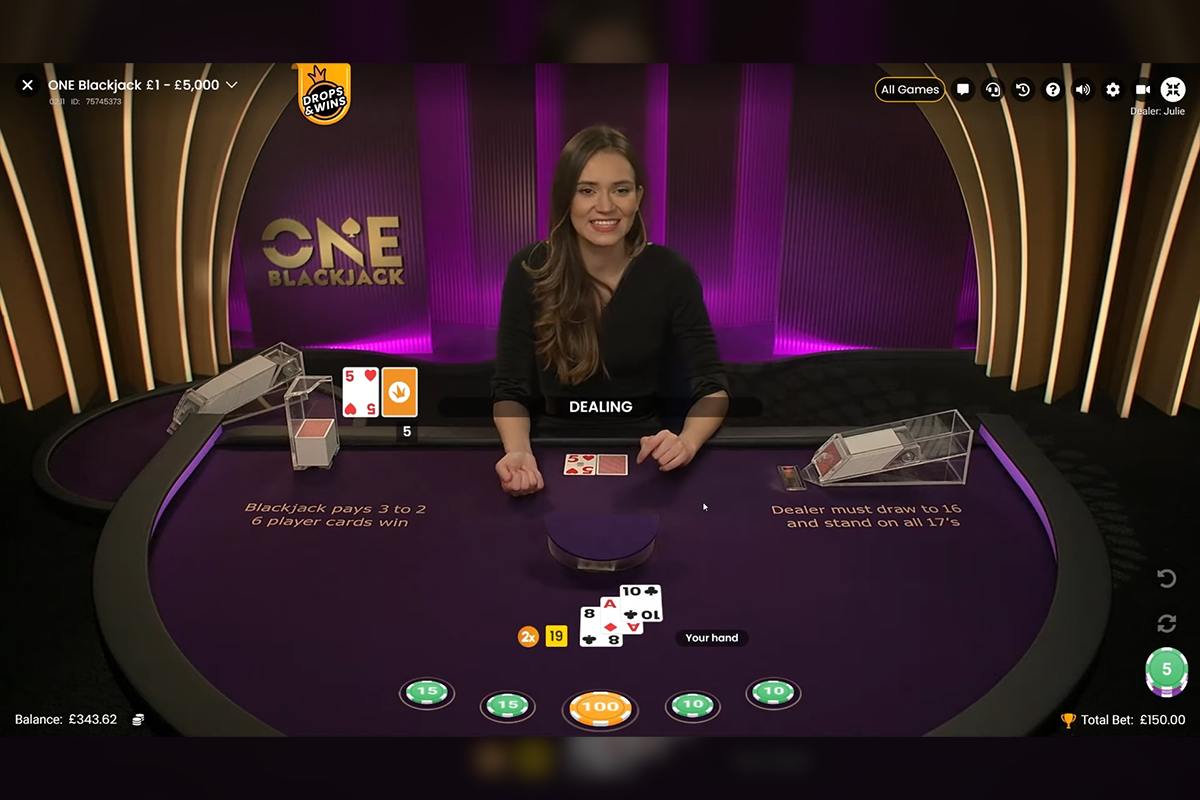
Utilize tools and features offered by many online platforms that allow for self-restriction. Setting deposit limits or opting for time-outs can prevent impulsive betting, helping you maintain control over your spending behavior. Take advantage of these features to create boundaries that work for you.
Keep your emotions in check. Recognize when excitement or frustration influences your decisions. Establish a routine that includes breaks; stepping away can provide perspective and reduce the likelihood of making hasty choices under pressure. Regularly reflecting on your activities can enhance your overall experience.
Stay informed about the risks involved. Educate yourself on the odds and mechanics of different types of wagers, knowing that the house always holds an advantage. Understanding these elements can help you make informed decisions rather than relying solely on luck.
Seek support if necessary. Engaging in discussions with trusted friends or professional counselors can provide valuable insights and reinforce positive habits. Never hesitate to ask for assistance if you feel overwhelmed by the activities.
Setting a Strict Budget for Gambling Activities
Allocate a specific sum that you can afford to lose, and stick to it without exceptions. Analyze your financial situation to determine an amount that will not impact your necessary living expenses or savings. This limit should only comprise funds designated for recreational pursuits.
Track Your Spending
Keep detailed records of your financial outlay during each gambling session. Utilize apps or simple spreadsheets to log deposits and withdrawals. This practice not only provides clarity but also helps to recognize patterns in your behavior, allowing for better financial management.
Establish a separate bank account or use prepaid cards solely for placing bets. This ensures that your primary funds remain untouched, reducing the likelihood of overspending. Utilizing a dedicated account emphasizes limits and provides a more tangible understanding of your budget.
Set Time Restrictions
Incorporate time constraints alongside your financial limits. Decide in advance how long you will participate in any betting activity. Allocate specific days or hours for this hobby and treat them like appointments to reinforce discipline.
Evaluate your emotional state before engaging in any betting activities. Participate only when you feel relaxed and focused, avoiding periods of stress or distraction. This approach helps maintain awareness of your financial limits and diminishes impulsive decisions.
Regularly assess your budget and adjust it based on your experiences. If you notice a tendency to overspend, modify your limits accordingly. Being proactive aligns your financial management with your personal growth in this area.
Identifying and Avoiding Gambling Triggers
Recognize places and situations that provoke an urge to place bets. These may include physical venues like casinos, sports bars, or even social gatherings where betting discussions take place. Avoid frequenting these locations to minimize temptation. Create a list of known triggers to stay aware.
Understand Emotional Responses
Identify specific emotions that lead to impulsive wagering, such as stress, boredom, or excitement. Keeping a journal can help track these feelings and their connections with gambling urges. When a trigger is identified, develop alternative coping mechanisms like exercising or engaging in hobbies to distract from the impulse.
Limit Access to Resources
Constrain accessibility to money and online betting sites. Set strict budgets and use cash instead of credit cards to limit expenditures. Blocking gambling websites on personal devices or using apps designed to restrict access can be helpful barriers against temptation.
Be mindful of peer influences. Surround yourself with individuals who do not engage in betting activities, as associations with heavy gamblers can increase the likelihood of succumbing to triggers. Foster friendships that promote alternative forms of entertainment to create a healthier social environment.
Stay informed about the odds and risks associated with betting. Understanding that the odds are often not in one’s favor can diminish the allure of gambling. Knowledge can serve as a powerful tool to reinforce decision-making when faced with triggers.
Recognize the signs of problematic behavior in yourself and others. This includes increasing time spent on betting activities or ignoring responsibilities. Address these issues promptly by seeking support from professionals or support groups that specialize in addiction recovery.
Establish a routine that prioritizes other interests. Fill free time with activities that stimulate your mind and body–reading, sports, or crafts can reduce moments of vulnerability to urges. A well-structured day leaves little room for unwelcome gambling thoughts to take root.